Thailand is a country in Southeast Asia that has a long and diverse history, spanning from the Paleolithic Era to the present day. It was inhabited by various ethnic groups, such as the Mon, Khmer, Malay, and Tai, who were influenced by Indian and Chinese cultures. The Tai people migrated from southwestern China and established several kingdoms, such as Sukhothai, Lan Na, and Ayutthaya, which competed and fought with each other and with their neighbors.
The Ayutthaya Kingdom was the most powerful and prosperous of the Thai states, and was a major center of trade and culture. It was destroyed by the Burmese invasion in 1767, which led to a period of chaos and civil war. The Thonburi Kingdom was founded by King Taksin, who unified the remnants of the Ayutthaya Kingdom and expelled the Burmese invaders. He was later deposed and executed by a coup led by Chao Phraya Chakri. The Chakri Dynasty, which still rules Thailand today, was established by King Rama I, who moved the capital to Bangkok and built the Grand Palace and the Temple of the Emerald Buddha. His successors continued to expand and modernize the kingdom, and faced various challenges, such as wars, rebellions, and pressure from Western powers.
Thailand was the only country in Southeast Asia that was never colonized by a European power, due to the skillful diplomacy and reforms of King Chulalongkorn, who abolished slavery, introduced Western education, technology, and infrastructure, and ceded some territories to the British and the French. Thailand became a constitutional monarchy in 1932, after a bloodless revolution led by a group of young military officers and civilians, who demanded a democratic system of government. The country’s name was changed from Siam to Thailand, which means “land of the free”.
Thailand’s economic development and modernization accelerated in the second half of the 20th century, as it became a major exporter of rice, rubber, textiles, electronics, and tourism. Thailand also faced various challenges, such as environmental degradation, income inequality, corruption, human rights violations, and ethnic conflicts.
Thai 97.5%, Burmese 1.3%, other 1.1%, unspecified <0.1% (2015 est.)
MAJOR LANGUAGES
Thai (official) only 90.7%, Thai and other languages 6.4%, only other languages 2.9% (includes Malay, Burmese); English is a secondary language of the elite (2010 est.)
MAJOR RELIGIONS
Buddhist 90%, Muslim 4%, Christian 3%, other 1%, none 1% (2023 est.)
TIME DIFFERENCE
UTC+7
GOVERNMENT TYPE
Constitutional monarchy
ECONOMY
Upper middle-income Southeast Asian economy; substantial infrastructure; major electronics, food, and automobile parts exporter; globally used currency; extremely low unemployment, even amid COVID-19; ongoing Thailand 4.0 economic development
REAL GDP PER CAPITA
USD 21,100 (2023 est.)
INDUSTRIES
Tourism, textiles and garments, agricultural processing, beverages, tobacco, cement, light manufacturing such as jewelry and electric appliances, computers and parts, integrated circuits, furniture, plastics, automobiles and automotive parts, agricultural machinery, air conditioning and refrigeration, ceramics, aluminum, chemical, environmental management, glass, granite and marble, leather, machinery and metal work, petrochemical, petroleum refining, pharmaceuticals, printing, pulp and paper, rubber, sugar, rice, fishing, cassava, world’s second-largest tungsten producer and third-largest tin producer
A 10% tip is adequate in restaurants, but check to see if a service charge has been added; if so, leave behind some loose change. It is common to round up the fare to the nearest bill in taxi cabs. Most hotels include a 10% service charge in the bill, but you can tip bellhops USD 1-2 for carrying bags to a room. Leave housekeeping 20 baht under your pillow.
SOUVENIRS
Buddha statues, silk harem pants and other fabric items, hill tribe bags, spices and sauces
CULTURAL PRACTICES
Thailand is a beautiful country with a rich and diverse culture, but it also has some rules and customs that you should be aware of before you visit. Besides, there are numerous nuances and subtleties that you can learn by observing and interacting with the locals. Thai people are generally very forgiving and understanding of foreigners who make mistakes, as long as they show respect and sincerity.
Use the traditional Thai greeting, the wai, to show respect. The wai is a gesture where you press your palms together and bow slightly. The higher you raise your hands, the more respect you show. You should wai to elders, monks, and people of higher status than you. You don’t have to wai to children, service staff, or people who are lower than you in the social hierarchy. You should also return a wai if someone wais to you.
Dress modestly, especially when visiting temples. You should cover your shoulders, chest, and knees when entering a temple or any other religious site. Avoid wearing shorts, tank tops, or anything too revealing. You should also take off your shoes before entering a temple or someone’s home.
Show respect to monks, who are held in extremely high regard in Thailand. You should never touch a monk, especially if you are a woman. You should also give up your seat for a monk on public transportation, and avoid sitting higher than a monk. If you want to offer something to a monk, you should do it with your right hand or both hands. Women should avoid handing things directly to monks, and instead place them on a cloth or a tray.
Use your right hand for eating and passing things. The left hand is considered unclean, as it is used for personal hygiene. You should avoid using your left hand for anything, especially when eating or handing something to someone. You should also avoid pointing at people or things with your finger, as it is considered rude. Instead, use your whole hand or your chin to indicate something.
Smile! Thailand is known as the Land of Smiles, and smiling is a way of showing friendliness, politeness, and goodwill. You should smile when greeting someone, when apologizing, when thanking someone, or when in doubt. Smiling can also help you avoid conflict and save face, which is very important in Thai culture. You should never lose your temper, shout, or show strong emotions in public, as it is considered disrespectful and shameful.
MAJOR TOURIST DESTINATIONS
Railay Beach is one of the most stunning beaches in Thailand, located in Krabi province. You can reach it by boat from Krabi town or Ao Nang. The beach is surrounded by towering limestone cliffs that attract rock climbers from all over the world. You can also enjoy snorkeling, kayaking, or exploring the nearby caves.
Koh Phi Phi is a group of islands in the Andaman Sea, famous for their beauty and nightlife. The main island, Phi Phi Don, is where most of the accommodation and entertainment options are located. The smaller island, Phi Phi Leh, is where you can find the Maya Bay, which was featured in the movie The Beach. You can take a boat tour to visit the islands and enjoy swimming, diving, or hiking.
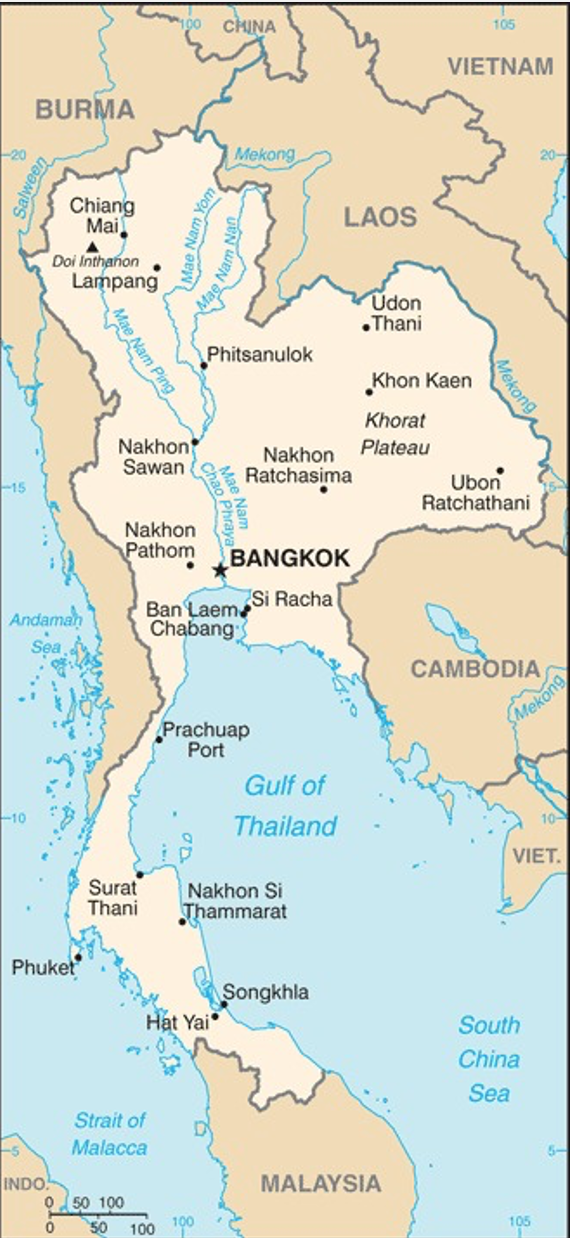
Chiang Mai is the largest city in northern Thailand and a cultural hub. You can explore the Old City, which is full of historical temples, such as Wat Phra Singh and Wat Chedi Luang. You can also visit the Doi Suthep temple, which offers a panoramic view of the city. Chiang Mai is also known for its night markets, where you can shop, eat, and mingle with the locals.
Bangkok is the capital and the most populous city of Thailand. It is a vibrant and modern metropolis, with a mix of ancient and contemporary attractions. You can visit the Grand Palace, the Wat Arun, and the Wat Pho, which are some of the most important religious sites in the country. You can also enjoy the shopping, dining, and nightlife options that Bangkok has to offer. Don’t miss the Chatuchak Weekend Market, one of the largest and most diverse markets in the world.
Phuket is the largest and most popular island in Thailand, located in the south. It has many beaches, resorts, and activities to choose from. You can relax on the Patong Beach, party in the Patong district, or explore the Phuket Old Town. You can also take a long-tail boat tour to visit the nearby islands, such as Koh Yao Noi, Koh Yao Yai, and Koh Panyee.
TRADITIONAL CUISINE
Thai cuisine is one of the most popular and diverse in the world, with a variety of dishes that reflect the influences of different regions, cultures, and histories. Thai food is known for its complex and balanced flavors, often combining spicy, sour, sweet, salty, and bitter elements. Some of the most common ingredients in Thai cuisine are rice, noodles, coconut milk, curry paste, fish sauce, lime, lemongrass, galangal, kaffir lime leaves, chilies, and fresh herbs. Here are some of the traditional dishes of Thai cuisine that you might want to try:
Pad Thai: This is probably the most famous Thai dish, and one of the national dishes of Thailand. It is a stir-fried rice noodle dish with eggs, tofu, bean sprouts, peanuts, and a choice of meat or seafood. It is seasoned with tamarind, fish sauce, sugar, and vinegar. Pad Thai is usually served with lime wedges and crushed red pepper on the side.
Tom Yum: This is a hot and sour soup that can be made with chicken, shrimp, or mixed seafood. It is flavored with lemongrass, galangal, kaffir lime leaves, lime juice, fish sauce, and chili paste. Tom Yum is often garnished with cilantro and mushrooms. It is a very aromatic and refreshing soup that can stimulate your appetite.
Som Tam: This is a spicy green papaya salad that originated in the northeastern region of Thailand, also known as Isan. It is made with shredded unripe papaya, tomatoes, green beans, peanuts, dried shrimp, garlic, chilies, lime juice, fish sauce, and palm sugar. It is pounded with a mortar and pestle to release the flavors and juices. Som Tam is usually eaten with sticky rice and grilled chicken or fish.
Green Curry: This is one of the most popular Thai curries, and one of the spiciest. It is made with green curry paste, coconut milk, bamboo shoots, eggplant, basil, and a choice of meat or seafood. It is usually served with steamed rice or rice noodles. Green curry paste is made with green chilies, lemongrass, galangal, kaffir lime zest, coriander, cumin, garlic, shallots, shrimp paste, and salt.
Massaman Curry: This is a rich and mild curry that reflects the influence of Persian and Indian cuisines on Thai food. It is made with massaman curry paste, coconut milk, potatoes, peanuts, bay leaves, cinnamon, cardamom, and a choice of meat, usually beef or chicken. It is usually served with steamed rice or roti, a flatbread. Massaman curry paste is made with dried red chilies, lemongrass, galangal, kaffir lime zest, coriander, cumin, cloves, nutmeg, garlic, shallots, shrimp paste, and salt.
Mango Sticky Rice: This is a traditional Thai dessert that is simple but delicious. It is made with glutinous rice cooked in coconut milk and sugar, topped with fresh ripe mango slices and more coconut milk. It is often sprinkled with toasted sesame seeds or mung beans. It is a sweet and creamy treat that is perfect for a hot day.
CLIMATE
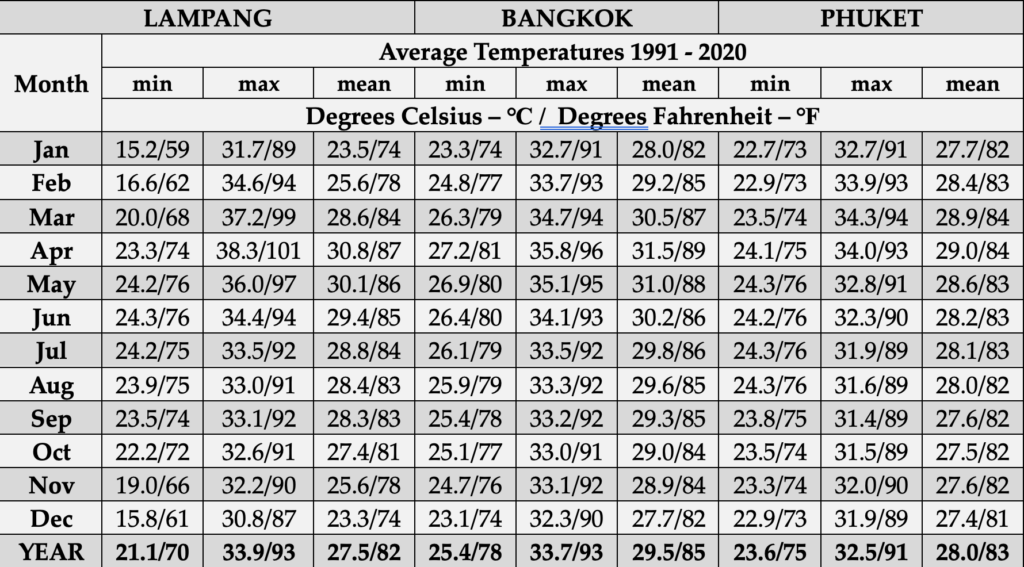
Thailand has a tropical climate with three distinct seasons: hot, rainy, and dry and cool. The climate is influenced by seasonal monsoon winds that bring warm moist air from the Indian Ocean or the Asian continent. The mean annual temperature is around 30 degrees, and has increased by 0.8°С per century since the 1950’s.
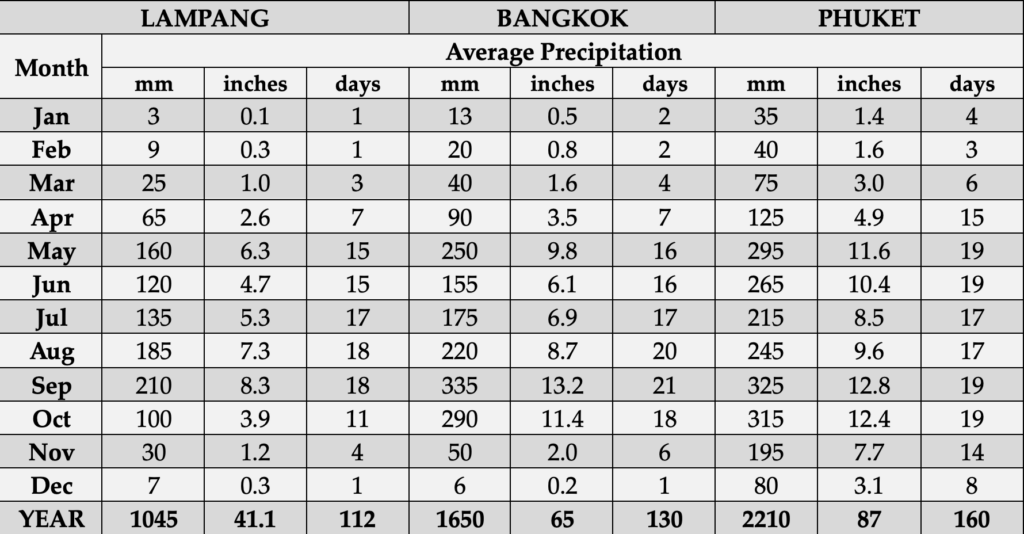
The hot season runs from March to May, and is generally hot and dry. The average high temperatures peak in April and register in the 32.2°C (90°F) to 36.1°C (97°F) in much of the country. The rainy season runs from mid-May to October, and is determined by the southwest monsoon, which brings abundant rain over the country, especially the mountainous regions. The average annual rainfall is 1,200-4,500 mm, with lower totals on the leeward side and higher totals on the windward side. The dry and cool season runs from November to February, and is caused by the northeast monsoon, which brings cold and dry air from the anticyclone in China. The coolness is felt in the north and in inland areas, while on the coast and in the south, it is hot even in winter.
The southern peninsular region, where beaches and renowned resorts are found, has a different rain pattern than the continent. The east coast receives more rain from the northeast monsoon, from November to February, while the west coast receives more rain from the southwest monsoon, from May to October.
PASSPORT/VISA REQUIREMENTS
A valid passport that has at least six months of remaining validity and one blank page for an entry stamp; a return or onward ticket to show that you intend to leave Thailand within the allowed period of stay.
A visa to enter Thailand, unless you are from one of the 93 countries or territories under the tourist visa exemption program. Nationals from other countries can apply for e-visa or obtain a visa from a Thai Embassy or Consulate before arrival.
Tourist visa can be extended for 30 days by paying a fee at the Thai Immigration Bureau office. There are different types of visas available, depending on nationality, purpose of travel, and length of stay. More information and application procedures can be found on the official e-visa website.
VACCINATIONS
The CDC and WHO recommend the following vaccinations for Thailand: hepatitis A, hepatitis B, typhoid, cholera, yellow fever, Japanese encephalitis, rabies, meningitis, polio, measles, mumps and rubella (MMR), Tdap (tetanus, diphtheria and pertussis), chickenpox, shingles, pneumonia, COVID-19, and influenza.
WHAT TO PACK
Clothing
Choose lightweight, light-colored, and breathable clothing to cope with the heat and humidity.
A light raincoat or umbrella if traveling in the rainy season.
A swimsuit and a towel for swimming in waterfalls or rivers.
Carry a long scarf or a sarong to wrap around yourself when needed. You should also remove your shoes before entering a temple or a private home.
Hygiene
Pack some toiletries and accessories that can help you stay clean and healthy during your trip.
Bring sunscreen, insect repellent, hand sanitizer, a microfiber travel towel, a reusable water bottle with a filter, and some snacks.
Bring some basic medicines for common ailments, such as painkillers, antihistamines, antidiarrheals, and rehydration salts.
Activities
Pack some electronics and entertainment items that can help you enjoy your trip and capture your memories.
Bring your phone, charger, power bank, earphones, camera, laptop or tablet, e-reader or books.
Wear comfortable sandals or shoes that are easy to take on and off.
For exploring the countryside or the islands, bring insect repellent, a hat, sunglasses, and a camera.
Security
Bring an anti-theft backpack that has hidden zippers and slash-proof material. You can also bring some padlocks for your bags and a neck wallet for your passport, cash, credit cards, and phone.
Use a VPN service when connecting to public WiFi sources, as they may not be secure.
Be aware of some of the common scams and dangers that tourists may encounter, such as taxi overcharging, fake money, or pickpocketing. Like anywhere in the world, you should always be alert and cautious when traveling in Thailand.